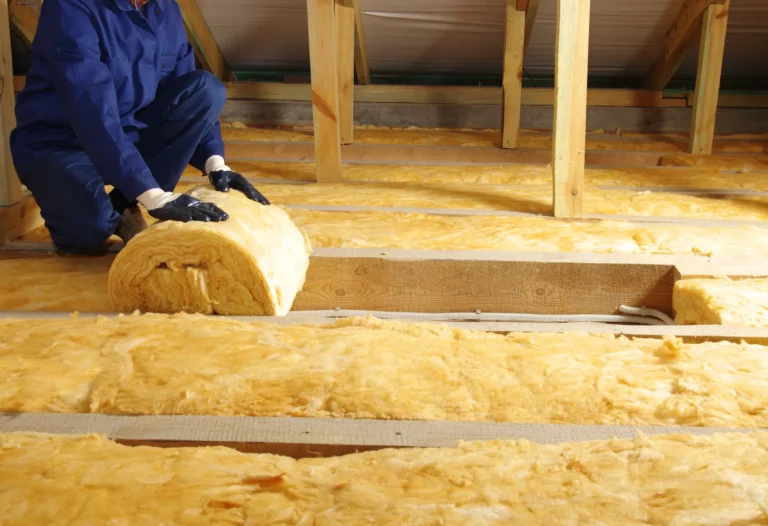

Attic Insulation Services That Make a Real Difference
When most homeowners think about staying comfortable year-round, they think about their furnace or air conditioner. What often gets overlooked is the layer of protection sitting right above your ceiling. Attic insulation is one of the most cost-effective improvements you can make to your home, and it has a direct impact on how hard your HVAC system has to work. At Mel's Heat & Air Inc., we treat insulation as a core part of total home comfort, not an afterthought.
Heat naturally rises, and without proper insulation, it escapes straight through the attic in winter. In summer, the reverse happens, and superheated attic air pushes down into your living spaces, forcing your air conditioner to run nonstop. We’ve seen homes throughout Turlock, CA and surrounding areas where adding or upgrading attic insulation cut cooling demand dramatically, extending equipment life and lowering monthly utility bills in the process.
Understanding R-Value and the Right Amount for Your Home
Insulation effectiveness is measured by R-value, which indicates resistance to heat flow. The higher the R-value, the better the insulation performs. Older homes were often built with R-19 or even less in the attic, but modern recommendations call for R-38 to R-60 depending on the climate and home design. During every assessment, our technicians measure existing insulation depth, identify thin or compressed areas, and check for gaps around recessed lights, attic hatches, and ductwork.
We also look at how insulation interacts with ventilation. An attic that’s properly insulated but poorly ventilated can trap moisture, leading to mold and rotted decking. We always evaluate soffit vents, ridge vents, and baffles to make sure airflow is preserved while heat transfer is minimized. This dual approach prevents the kind of long-term damage that ends up costing thousands to repair.
Types of Insulation We Install
Different homes call for different insulation materials, and we work with the most common and effective options on the market today. Each material has strengths depending on the structure, budget, and goals of the homeowner.
- Blown-in fiberglass is fast to install, fills irregular cavities well, and offers strong thermal performance for the cost.
- Blown-in cellulose is made from recycled paper treated for fire resistance and tends to settle into tight spaces more thoroughly than fiberglass.
- Batt insulation works well in attics with regular joist spacing and is often used to supplement existing insulation.
- Spray foam creates an air-tight seal and is ideal for sealed attic assemblies or homes with persistent air leakage issues.
During your consultation, we walk you through which option fits your home, explain the trade-offs, and never push you toward a more expensive product than you actually need. No upselling, no runaround — that’s been our standard since day one.
How Insulation Ties Into Your HVAC System
Because we service, repair, and install all makes and models including American Standard, Mitsubishi, Bryant, and Mr. Cool, we understand exactly how equipment performance is affected by the building envelope. An oversized air conditioner in a poorly insulated home will short cycle, leaving humidity behind and wearing out compressors prematurely. A correctly sized system paired with proper attic insulation runs longer, quieter cycles that dehumidify better and use less energy.
If you’re considering a new HVAC system, addressing attic insulation first can sometimes allow for a smaller, less expensive unit. We take a whole-home approach, looking at insulation, ductwork, and equipment together rather than treating each piece in isolation. This kind of thinking is why customers in Turlock, Modesto, Denair, Ceres, Keyes, and Delhi, CA keep calling us back for everything from seasonal tune-ups to complete comfort overhauls.
Our Installation Process
Every attic insulation job follows a clear, repeatable process designed to deliver predictable results.
- Initial inspection where we measure existing R-value, document air leaks, and assess ventilation.
- Air sealing around penetrations, top plates, and bypasses before any new insulation goes in.
- Baffle installation at the eaves to protect soffit ventilation pathways.
- Blowing or laying insulation to the target depth using calibrated equipment for consistent coverage.
- Final walkthrough to confirm depth markers, clean up the work area, and answer any remaining questions.
Our technicians show up on time, get straight to work, and treat your home with respect. And when something unexpected happens with your heating or cooling at 2am in the middle of a heatwave, our 24-hour emergency service means you’re never left waiting until morning. Comfort isn’t a nine-to-five concern, and neither are we. Reach out today to schedule an attic insulation assessment and see how much more your HVAC system can deliver when it finally has the support it needs.